
Fashion, Aesthetics and the Rise of the Right
By romanticising tradition, whiteness, and hierarchy, these "old money" and "quiet luxury" aesthetics turn nostalgia into a quiet form of conservatism. Much like in the 1930s, fashion once again mirrors a longing for order and moral certainty. What looks elegant or neutral often hides exclusion and privilege. In the end, style becomes a subtle way of saying the past felt safer—and should be our future.
POLITICS & SOCIETY
Niccolò Cavallero
10/10/20254 min read
Niccolò Cavallero
Fashion has always been a mirror, capturing the ebb and flow of social and cultural life, but nowadays the meaning it carries is more pronounced than ever. What we wear and the persona we long to project is not just a matter of taste anymore: it is a visual declaration of our values, ideals, and affiliations – whether we do it consciously or not. This article emerges from the necessity to scrutinise the intersection of aesthetics, defined as fashion and its imagery, and the increasing political shift towards conservatism. This shift is not only evident in political debates and ballot boxes but also in the streets of New York, influencers' Instagram feeds, and ultimately in our closets. In an era marked by the rise of the political right wing and the aversion against progressive ideologies, fashion trends such as “old money”, “quiet luxury”, and the comeback of the “Americana” aesthetic do not just represent stylistic choices. These trends tell a story about who we would like to be and, perhaps more importantly, about the kind of past we are trying to revive. Visual codes express a desire for control, order, and nostalgia.
Aesthetics and Politics: An Intertwined History
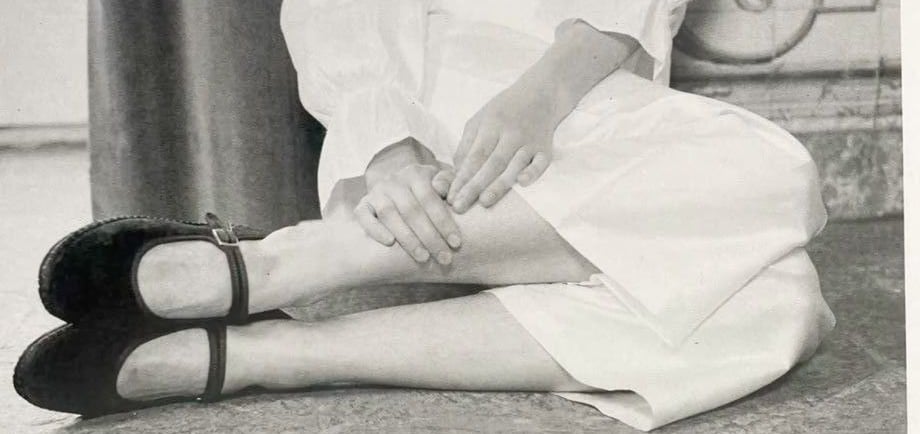
The relationship between fashion and politics, although never static, is not new. The use of aesthetics as a vehicle of conservative ideologies is not an invention of the 21st century; on the contrary, it has appeared in crucial moments since the 1900s, usually in the context of social crisis and political transition. In the thirties, with the rise of fascist regimes in Europe, the excess of the wardrobe of the twenties was replaced by more demure, modest, and morally acceptable aesthetics. The clothes became vehicles to reaffirm traditional gender roles and build coherent national identities. Specifically, women's clothing became more sober and functional for family life with long dresses and skirts below the knee, contributing to a maternalisation of women. This aesthetic shift reassigned women to a private sphere, enclosing them in the social label of mothers and caretakers, whose values are bound to domesticity and reproduction. The reduction of the feminine identity to motherhood is in itself a political move: it limits women’s autonomy and reinforces patriarchal control under the guise of morality. By setting rigid expectations, this aesthetic further contributed to the marginalisation of women who did not conform – queer women, working-class women, and women of colour – making fashion a tool for exclusion and discrimination. Today, similar dynamics persist under different names: the resurgence of “Old Money”, “Clean Girl”, or “Americana” portrays a white, upper-class femininity rooted in Eurocentric standards. Once again, white people's cultural dominance serves as a mechanism of silencing and oppression.
The “Americana” aesthetic: nostalgia, tradition, and stability
Today's aesthetically redefined American lifestyle evokes a romanticised image of freedom, independence, and individual strength. It is a revival of American cultural mythology, rich in emotions and visual clues. Iconic elements such as cowboy hats, leather boots, denim jeans, and checked shirts are loaded with symbols pulled from movies, advertising, and national folklore that have long been associated with a rural ideology rooted in nationalism and patriotism. Not just a style but a cultural statement, the renaissance of the “Americana aesthetic” goes hand in hand with a rising nostalgia for a past that is perceived to be easier, more stable, and authentic. It taps into a curated memory of a nation built on independence and freedom, carefully erasing a history of brutality and displacement. This version of America is grounded and uncontested, an emotional response to contemporary fears like economic instability, rapid cultural change, and perceived loss of identity.
Quiet Luxury: A Silent Privilege
The trend of “Quiet Luxury” presents itself as a celebration of sobriety and discreet elegance. It is represented by clothing items without logos, minimalist designs, neutral colours, and precious materials, designed to signal wealth without overtly displaying it. However, the rejection of flashy consumerism is far from neutral. It is a subtle sign of elitism: you must know the codes to understand them; this is what separates insiders from outsiders. It is associated with historical brands worn by white aristocratic families, a legacy of white and Western centrism, which portrays typical values of the 1900s. Therefore, it is a performance of humility that hides the very hierarchy it is rooted in. It implicitly labels other styles – especially those from non-white communities – as chaotic and vulgar, upholding a tradition of inequality and elitist lifestyles.
Old Money: The comfort of social hierarchies
Similar to Quiet Luxury, the so-called “Old money” aesthetic is more explicit in its symbology: it directly recalls the idea of inherited wealth, family tradition, and consolidated privilege. Tailleurs en tweed, pearls, sweaters draped over shoulders, loafers: the imagery of the Anglo-Saxon elite, brought up by prestigious colleges and informal but strict rules. Here, fashion becomes a means of exclusion; it is purposefully inaccessible: it represents a vision of the world in which change is suspicious and the past is a guarantee for authenticity. It aims not to challenge or change but to reassure. When it does borrow from other cultures, it strips away the cultural context and reinforces a narrative of dominance, which recalls colonialism and the colonial aesthetic. Therefore, Western heritage remains the unchallenged standard for elegance and power. This ideology is what the conservative right tries to sell: social hierarchies as instruments of stability and the simplicity of cultural immobility.
Is fashion normalising conservatism?
These trends, including the romanticised Americana lifestyle, minimalist quiet luxury, and the bourgeoisie sobriety of old money, create an aestheticisation that reflects a return to order and conservatism. In a world affected by crises—climate, migration, economics, and identity—these aesthetics construct a new vision for the future by looking backward. Fashion is never neutral; each item of clothing tells a story, and the one being told now is of a reassuring past and a regressive vision of the world. Understanding these subtle signals and symbols does not mean to incriminate those who wear them; it means to recognise that even an innocent item can contain a wider narrative of the world that surrounds us.
Sources
https://political.fashion/posts/what-is-pushing-conservative-fashion-to-the-right
Special issue on fashion and the far right
How beauty trends signaled a conservative shift | The Week
The Rise of Conservatism in Fashion: Analysis and Implications
5 Fashion Trends That Predicted The Election According To A Style Expert | YourTango