The weight of concrete, the weight of conscience: the Serbian protests 2/3
From Silent vigils to military-grade weaponry and a defiant appeal by journeying to Strasbourg, Serbia's protest movement faced orchestrated counter-protests, state denial, and an international demand for justice.
SERBIAN PROTESTS
Vita A.
1/26/202614 min read
A New Year’s Eve in protest and mourning
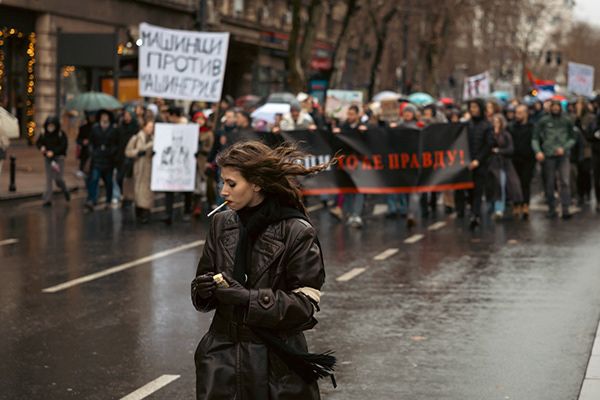
On New Year's Eve, students protesting for over a month organized a silent march in Belgrade, declaring, ‘There is nothing to celebrate,’ as festivities began. Similar actions occurred in Niš and Novi Sad, where no public events were planned. At midnight, 15 minutes of silence were held in Niš and Belgrade to honour 15 victims, with fireworks in the background contrasting the sombre tone. While the students were protesting this special evening, the centres of the main cities were disrupted by nationwide broadcasts of government-sponsored concerts, at which a few loyalists danced to unpalatable music. This kind of disrespect would later this year take a more radical shape in the form of banners and graffiti of a red middle finger pointed at the students by the government.
On the evening of 17 January, students and citizens staged a large-scale protest in front of the Radio Television of Serbia (a state-owned broadcaster) building in Belgrade, expressing dissatisfaction xwith the broadcaster's coverage of earlier demonstrations, particularly after Radio Television of Serbia compared the protesters' symbol to that of Hamas ("Poverenica"). This framing of protestors as extremist shifts the attention away from actual grievances such as safety and corruption to ideologically inflated security “scares”, which polarise readers. Tens of thousands of participants began the gathering with 15 minutes of silence. Following this, students marched carrying a giant Cobra puppet, mocking President Vučić's previous references to the Cobra special forces (how fast they would be finished with the protestors if they were allowed to act), as well as an oversized sandwich aimed at the RTS CEO, satirising the common stereotype that SNS supporters are compensated with sandwiches.
Two students suffered severe injuries during the protests in Belgrade after a car speeding into the crowd struck them twice ("Napadnuti"). Students responded by organising a comprehensive, round-the-clock blockade at Belgrade's central Autokomanda intersection. Supporting them, over 650 motorcyclists arrived in Belgrade, donating food and expressing solidarity with the injured. Simultaneously, farmers from areas near Novi Sad drove tractors into the city, positioning themselves protectively around student protesters. The blockade attracted tens of thousands of participants, who marked the event with volleyball, board games, and cooking (Mašina). The gathering opened with a silent tribute to the victims. The following morning, students voluntarily cleaned the site. Meanwhile, the Ministry of Education instructed schools to cut January wages for staff participating in the strikes (“Odmazda, klasičan državni kriminal”)
The March to Novi Sad and the Europe-wide diaspora support
In the early morning of the 28th, while the 24-hour blockades of Autokomanda were still underway, several groups of students in Novi Sad who were placing blockade stickers around the SNS party offices were brutally attacked by unknown men wielding baseball bats, who came out of the SNS offices (“Napadnuti”). Several students sustained minor injuries, and one female student suffered a dislocated jaw from the beating ("Studentkinja"). While the victim was one of many, the attack caused widespread public outrage and triggered the beginning of supportive student marches.
On January 30th, students from Belgrade started their journey by foot and bicycle towards Novi Sad, where a large protest took place across three bridges. Over two days, hundreds of students marched through local towns (Batajnica, Stara Pazova, and Nova Pazova), received warm receptions (food and fireworks), and camped en route. Once in Novi Sad, students occupied all three Danube bridges, some for over 24 hours, symbolically marking three months since the accident (“Dva Dana”). After these successful large-scale protests, students and activists decided to intensify their efforts by strategically choosing Kragujevac as the next focal point. The action, titled "Sretnimo se na Sretenje" ("Let's Meet on Candlemas"), symbolically took place on February 15, a significant date in Serbian history that marks Serbia's Statehood Day. The event was intended to merge historical symbolism with modern civic action. Students and citizens organized several multi-day walking marches originating from different cities around Serbia, aiming to converge in Kragujevac simultaneously. Depending on their starting point, activists covered from 55 to 130 kilometres in stages, combining walking and cycling, actively engaging local residents with speeches, gatherings, and small Demonstrations along the way were crucial for representing the students throughout Serbia, like the rest of the country, apart from Belgrade, experienced full censorship of objective reporting by government-controlled media (Milutinović; “Šetnja do Kragujevca”). Each city's march was strategically designed to build momentum, capture media attention, and demonstrate nationwide solidarity.
On the 22nd of February, students announced a new protest in the city of Niš, alongside a proclamation of a “Student edict”, a student manifesto adopting the name “Edict” to invoke historical symbolism tied to Niš (a birthplace of Constantine, who issued the Edict of Milan). Deployed as a blueprint for societal transformation, it enumerated principles such as Freedom, Justice, Dignity, Knowledge, Solidarity, and Future. The document demanded systemic reforms, including an independent judiciary, free media, a merit-based university system, modernised education, and an end to corruption (“Ovo su ideje”).
This was Niš’s largest-ever student protest, with tens of thousands attending from central, southern, and regional Serbia (Kostić et al.). The programme included theatre (the play Constitution), children’s and student choirs, speeches, collective vigils at 11:52 AM/PM, and the ceremonial reading of the Edict. The event signalled high levels of cross-regional unity, reinforcing momentum built on prior mobilisations in Belgrade, Novi Sad, and Kragujevac.
While this frustrating situation heightened the tensions in the home country, it really motivated the Serbian diaspora to show the students and the people of Serbia that they are not standing alone. Numerous protests were organized by Serbians in cities like Brussels, New York, Dublin, and even Amsterdam… And despite all this, the ruling party, SNS, nervous because its empire of deception is crumbling, continues to spread lies about the funding and organisation of protests, send violent hooligans into masses, organise contra-meetings, ridicule general strikes of the public, and on the 28th of January even sacrifice the Serbian Prime Minister to quell the protests sweeping across cities, according to The New York Times ("Serbia’s President").
The Ćaci—undercover government?
The government implemented some of the more radical measures at the beginning of March. Up until that point, government-affiliated individuals had been provoking the protestors for quite some time. A humorous situation occurred when someone spray-painted “Students back in schools” on the entrance gate of a school; the amusing part is that they misspelt “students” as “Ćaci” instead of “Đaci”, which is spelt similarly in Serbian Cyrillic. This misspelt version of “Đaci”, meaning 'students', was first used to broadly describe However, in early March, a specific group of loyalists would come to earn that nickname. They presented themselves as “Students who want to study” and were in direct opposition to students who blockaded their universities. They brought/were given tents and equipment by most certainly SNS party members and their subordinates. They set up their camp in the Pionir park in front of the Presidency building, stating that they would stay there until their request was fulfilled. This camp was mockingly named by the public as Ćaci-land.
What is important to notice about these “students who want to study” is their age. Even while trying not to be judgemental, a normal person would notice a large number of people who are way past their university-attending years. In fact, the vast majority of them were not students at all and were previously affiliated with the SNS party. Their leader, Miloš Plavlović, is a 21-year-old medical student from Doboj who studies in Belgrade and claims to have a perfect grade average of 10.0 (Radovanovic). He gained public recognition after giving a speech at Aleksandar Vučić's rally in Jagodina at the end of January. From the very first day that the "students who want to study" appeared, Pavlović emphasised that they were not affiliated with any political parties and that their gathering had no political connotation (Radovanovic). However, in the meantime, a photograph emerged on social media showing him attending an SNS (Serbian Progressive Party) rally in Doboj ahead of last year’s local elections in Bosnia and Herzegovina.
It was never really a question of why they set up their camp where they did and who organized them. From numerous visits and handshakes with the president and high-ranking government officials to the explicit police protection they enjoy, they provoked the public on behalf of the President.
The largest protest in the modern history of Serbia and the illegal use of a sonic weapon
On March 15th, Serbia saw the largest protest in its modern history, known as "15th for 15". Organised entirely by students, the protest activities began a day earlier, on March 14th, when large groups of students and citizens gathered in the heart of Belgrade for an emotional welcoming ceremony for pedestrians, cyclists, and marathon runners who had arrived from their hometowns across Serbia to jointly fight for justice (“Studentski protesti – doček”).
Immediately before the large protest, the President of Serbia, Aleksandar Vučić, stated that he expected the opposition to organise significant violence on Saturday, March 15 and emphasised that all those participating would be arrested and held accountable. However, he did not provide any specific evidence to substantiate these claims. Such statements from the president were perceived as attempts to intimidate and unnerve the public.
More than 107,000 people gathered in Belgrade, according to the Ministry of Interior, while the organisation "Archive of Public Gatherings" estimates that there were between 275,000 and 325,000 attendees, but according to public opinion, the numbers were closer to 500,000 (Rankin). At 19:00, everything and everyone stopped for a 15-minute moment of silence with phone flashlights to honour the victims. In the eleventh minute of silence, an unexplained panic suddenly broke out among the crowd, triggering a stampede that endangered the health of a large number of people. Shortly after the incident, the public learnt that a so-called sonic weapon or "sound cannon" (Known as a long-range acoustic device) was allegedly used, a device reportedly possessed by Serbia’s security system, said military analyst Aleksandar Radić in a statement to N1 (“Vučić Kaže”). He clarified that the device's purpose is to incapacitate a target. The moment of the alleged deployment of an unknown device was captured in numerous videos shared on social media, with protest participants describing the experience to N1 as deeply unsettling—reporting a “terrifying sound, like a threat rapidly approaching” and the sensation that “something was about to reach you in a split second.” Despite this, the Ministry of Interior (MUP) later denied all allegations, even in the face of video evidence, and President Vučić dismissed the claims as deliberate lies and disinformation, calling for legal action against those spreading them (Tanjug). He stated, “On the evening of the fifteenth, an attempt was made to finally carry out a colour revolution in our country. Everything had been prepared for a violent takeover of power, and even this lie about the use of a sound cannon had been prepared. And I know that no matter how hard I tried to tell you that this was untrue, a blatant lie, I know that many people believed something like that happened because it suited them to believe it. After all, there has been such an intense campaign of criminalisation and dehumanisation of me and the people I work and cooperate with that many were ready to believe that it happened.” (Novosti)
The Public Prosecutor's Office in Belgrade declined to open an investigation into the possible use of a sonic weapon, instead releasing a statement asserting that there were no indications of its deployment, based on assessments from the Ministries of Defence and Health. Serbia’s Interior Minister (and Deputy Prime Minister) Ivica Dačić flatly denied that police had used any sonic weapon or “illegal” crowd-control device, dismissing the claims as malicious falsehoods – even asserting that the Ministry of Interior did not possess any such equipment. However, within a few days his story changed: by 18 March he admitted the ministry had indeed purchased several Long-Range Acoustic Devices in 2021, though he insisted they remained unopened “in boxes” and had never been deployed (“Dаčić: Policija ima zvučni top”). After opposition leaders publicised photographs proving that a Serbian gendarmerie vehicle at the protest was fitted with an LRAD, Dačić again revised his stance—now acknowledging that a sonic device was present at the rally but claiming it stayed stationary, was used only as a loudspeaker for warnings, and was never activated against the crowd (“Dačić: Policija Poseduje”). On Sunday, the day after the protest, an unusually large number of people sought medical attention at healthcare institutions, reporting similar symptoms—dizziness, headaches, nausea, and ringing in the ears—all of which align with the known effects of exposure to a sonic cannon.
While international experts and independent organisations warn about the potential misuse of sonic weapons, the Serbian authorities remain silent. Instead of launching an investigation, the Ministry of Interior appears to place more trust in an unsigned report allegedly originating from the FSB.
After this gruesome event, the people of Serbia were even more determined to get justice, so they organised small-scale protests all over the country. The ruling party, SNS, did what it The government does best by using its affiliated media to shamelessly slander anyone and everyone who is even loosely connected to the protests. The worst of them is the media outlet Informer, led by editor-in-chief Dragan J. Vučićević, who systematically conducts a campaign of lies, manipulation, and targeting. Which is why a big protest was organized on the 29th of March in front of the Informer studio titled "Operation 'DEZinformer'" ("DISinformer"), lasting from 2:00 PM to 8:00 PM. Around 2:00 PM, students, dressed in disinfection gear, symbolically began disinfecting the fence surrounding the headquarters of "Informer".
Tour to Strasbourg
On the 3rd of April, a campaign known as the “Tour to Strasbourg” started, where a group of students from the University of Novi Sad embarked on a bicycle journey to Strasbourg, aiming to draw attention to the lack of response from relevant institutions in Serbia following the tragic events of November 1, 2024. The students stated, “We, students from Serbia, did not set out on this journey on a whim. We set out because we have nowhere else to go. Friends and colleagues have been arrested for speaking the truth, and the institutions have become instruments of repression. This cycling tour is a journey of hope, resistance, and the voices of the silenced. That’s why we’re going to Strasbourg. Not because we expect someone else to solve our problems, but so the world can hear Serbia’s voice. So that European institutions will pressure the government and stand up for the rights of those who have been forced into silence. Our mission is clear: to let the world know the truth about Serbia; to push institutions to act and pressure the authorities; to raise our voices on behalf of all those who have been silenced.” (qtd. in Lodeserto)
The students delivered a letter to Members of the European Parliament (hereafter known as MEPs) in which they described the torture they had endured. The March 15 gathering stood out as the largest protest where the use of a banned weapon was prevalent. The students drew attention to corruption and the lack of democracy. The MEPs refused to interfere in internal affairs but expressed their support for the students’ struggle, recognising that they were fighting for true values. The students were praised for their effort and the feat of cycling all the way to Strasbourg.
On the 6th of April students announced their fifth demand for the government. “A demand has been issued for a thorough investigation. Protesters are calling on the relevant authorities to determine all the circumstances and responsibilities related to the incident that caused fear and panic on March 15, 2025, at 19:11 along Kralja Milana Street during a peaceful protest and a 15-minute silence held in memory of the victims who tragically lost their lives in Novi Sad.” ("Studentski zahtevi")
On the 7th of April a sixth demand was announced. This demand followed a tragic accident in North Macedonia where a fire erupted in a nightclub between the 15th and 16th of March, killing 62 people and injuring more than 200. Subsequently, around 30 patients were transferred to several medical facilities across Serbia. The controversy arose when Serbian President Aleksandar Vučić visited the injured patients who had been transferred to Belgrade's Clinical Centre. Vučić arrived with a large entourage, reportedly 11 cameras and over 20 journalists, prompting accusations that the event was turned into a PR spectacle rather than a genuine act of solidarity. Vučić entered intensive care areas without protective gear, removed his mask, and even physically touched severely injured patients. These actions raised concerns about patient safety, privacy, and respect for medical procedures. The students' sixth demand called for accountability and patient protection, emphasising that health and human dignity must stand above politics.
Bibliography
Bar 55.000 Ljudi Na Ulicama U Beogradu U Petak, 22.000 U Novom Sadu, 15.000 U Nišu U Nedelju, 6.000 U Kragujevcu - Mašina. Mašina, 27 Jan. 2025, www.masina.rs/bar-55-000-ljudi-na-ulicama-u-beogradu-u-petak-22-000-u-novom-sadu-15-000-u-nisu-u-nedelju-6-000-u-kragujevcu/.
Dаčić: Policija ima zvučni top, stoji u kutijama u magacinu; Izjava da ga nemamo bila nespretna. N1, 9 Apr. 2025, n1info.rs/vesti/dacic-policija-ima-zvucni-top-stoji-u-kutijama-u-magacinu-izjava-da-ga-nemamo-bila-nespretna/.
Dačić: MUP Nikada Nije Koristio Zvučni Top. NIN online, Tanjug, 7 Apr. 2025, www.nin.rs/politika/vesti/73378/dacic-mup-nikada-nije-koristio-zvucni-top.
Dva Dana, 80 Kilometara I Jedan Cilj: Studentski Marš Do Novog Sada. BBC News na srpskom, 20 Nov. 2025, www.bbc.com/serbian/articles/cn0ygr0epd6o/lat.
Kostić, Aleksandar, et al. Počinje Studentski edikt u Nišu, najveći studentski protest u novijoj istoriji – live blog. Juznevesti, www.juznevesti.com/drustvo/pocinje-studentski-edikt-u-nisu-najveci-studentski-protest-u-novijoj-istoriji-live-blog/.
Lodeserto, Anna. "Pedalling for Justice: Serbian Students' 1,300 km Ride from Novi Sad to Strasbourg." Pressenza International Press Agency, 13 Apr. 2025, www.pressenza.com/2025/04/pedalling-for-justice-serbian-students-1300-km-ride-from-novi-sad-to-strasbourg/.
Milutinović, Irina. “Serbia: Media independence is an exception rather than the rule.” Interview by OBCT. MFRR, 10 July 2024, www.mfrr.eu/serbia-media-independence-is-an-exception-rather-than-the-rule/
Najnovije vesti: Studentski protesti – doček u Beogradu, blog uživo. N1 Info, www.n1info.rs/vesti/najnovije-vesti-studentski-protesti-docek-u-beogradu-blog-uzivo/.
Napadnuti novosadski studenti: 'Vijali ih s palicama i kolima, devojci dislocirali vilicu'. 021.rs, 22 Oct. 2025, www.021.rs/novi-sad/vesti/400053/napadnuti-novosadski-studenti-vijali-ih-s-palicama-i-kolima-devojci-dislocirali-vilicu.
Napadnuti Novosadski Studenti: Vijali Ih S Palicama I Kolima, Devojci Dislocirali Vilicu. 021.rs, 28 Jan. 2025, www.021.rs/novi-sad/vesti/400053/napadnuti-novosadski-studenti-vijali-ih-s-palicama-i-kolima-devojci-dislocirali-vilicu.
Odmazda, klasičan državni kriminal i pokušaj međusobne zavade: Mnogim fakultetima nisu isplaćene plate nakon što je Vučić najavio da će dobiti krompir. Nedeljnik, www.nedeljnik.rs/odmazda-klasican-drzavni-kriminal-i-pokusaj-medjusobne-zavade-mnogim-fakultetima-nisu-isplacene-plate-nakon-sto-je-vucic-najavio-da-ce-dobiti-krompir/.
Ovo su ideje koje bi Srbiju učinile boljom državom: Pročitajte ceo tekst studentskog edikta koji je u Nišu ispraćen aplauzom više desetina hiljada građana. Nedeljnik, www.nedeljnik.rs/ovo-su-ideje-koje-bi-srbiju-ucinile-boljom-drzavom-procitajte-ceo-tekst-studentskog-edikta-koji-je-u-nisu-ispracen-aplauzom-vise-desetina-hiljada-gradjana/.
Poverenica: Poređenje studenata sa islamskim fanaticima na TV Pink i Informer je govor mržnje. N1, 22 Oct. 2025, n1info.rs/vesti/poverenica-poredjenje-studenata-sa-islamskim-fanaticima-na-tv-pink-i-informer-je-govor-mrznje/.
Radovanovic, Vojin. “Ko je student Miloš Pavlović? Biografija.” Danas, www.danas.rs/vesti/politika/ko-je-student-milos-pavlovic-biografija/.
Rankin, Jennifer. "Tensions Mount in Serbia as Protesters Converge on Belgrade." The Guardian, 15 Mar. 2025, www.theguardian.com/world/2025/mar/15/tensions-mount-in-serbia-as-protesters-converge-on-belgrade.
Šetnja do Kragujevca. Studenti u blokadi, 11 Feb. 2025, blokade.org/sr-lat/akcije/setnja-do-kragujevca/.
Studentkinja povređena tokom blokade u Beogradu puštena iz bolnice, vozaču pritvor do 30 dana. BBC News na srpskom, 16 Jan. 2025, www.bbc.com/serbian/articles/crlk3ynxy49o/lat.
Studentski zahtevi | Studenti u blokadi. Blokade, blokade.org/sr-lat/zahtevi/. Accessed 25 Jan. 2026.
The New York Times. "Serbia’s President Nominates Ally as Prime Minister After Previous Premier Resigns." The New York Times, 28 Jan. 2025, www.nytimes.com/2025/01/28/world/europe/serbia-vucic-prime-minister-resigns.html.
Vučić, Aleksandar. “Obraćanje predsednika Aleksandra Vučića iz Palate Srbija.” YouTube, uploaded by Novosti, 14 Mar. 2025, www.youtube.com/watch?v=9yOR_rzWo2Q.
Vučić Kaže Da Očekuje Navodno Veliko Nasilje Na Protestima 15. Marta I Najavljuje Hapšenja. Radio Slobodna Evropa, 9 Mar. 2025, www.radioslobodnaevropa.org/a/vucic-nasilje-protesti-15-marta-hapsenja/33395588.html.
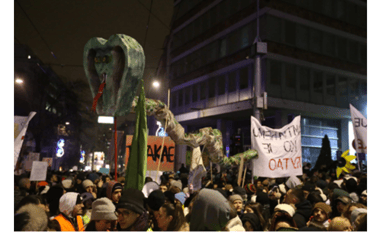
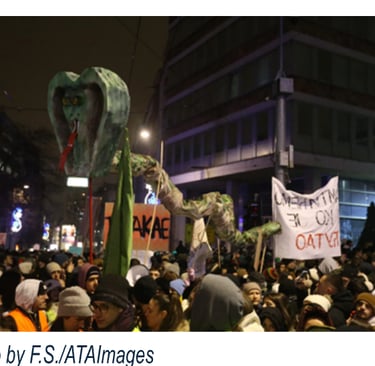
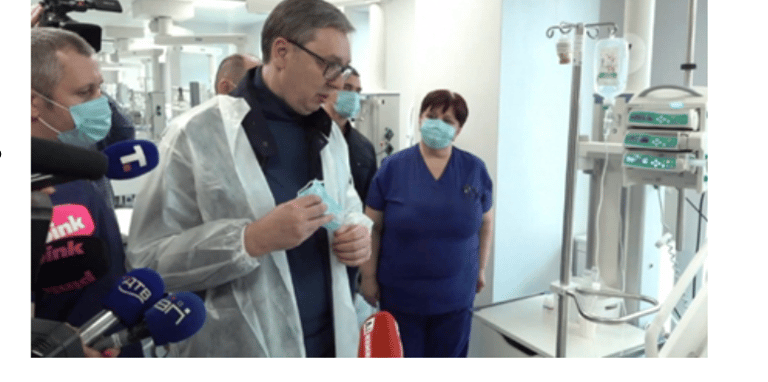
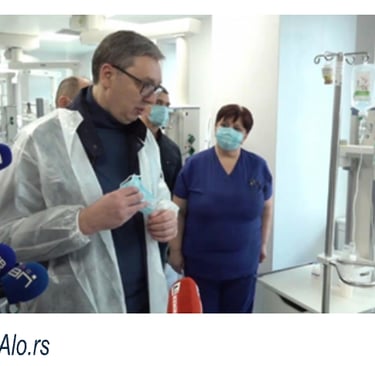
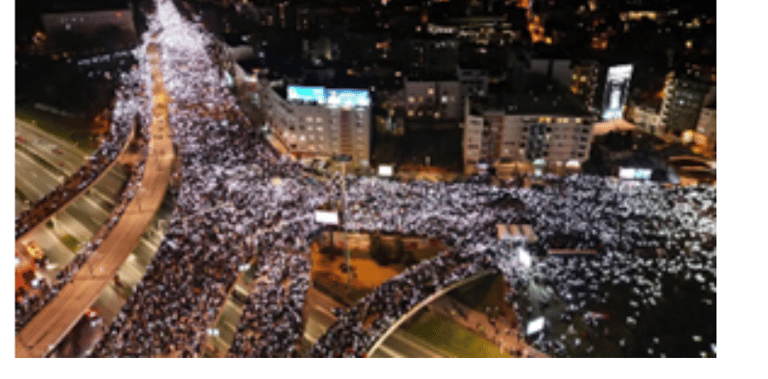
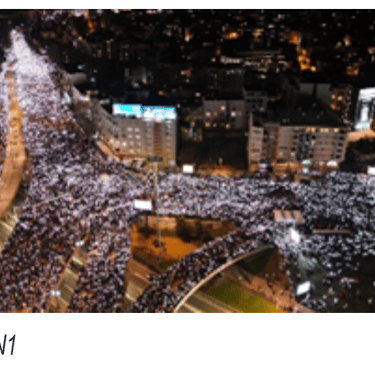
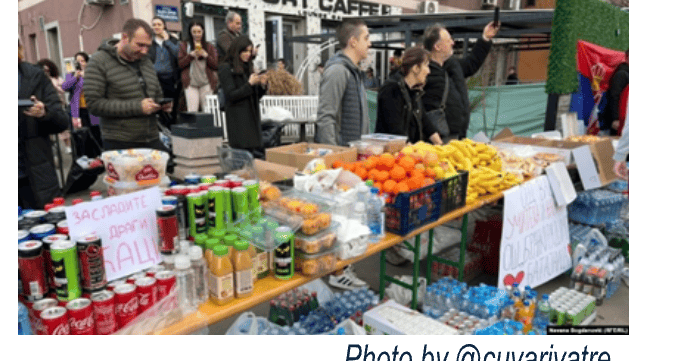
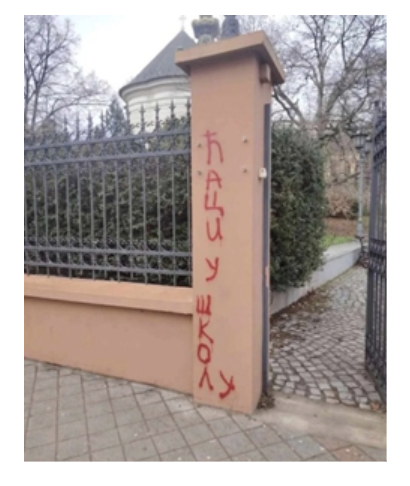
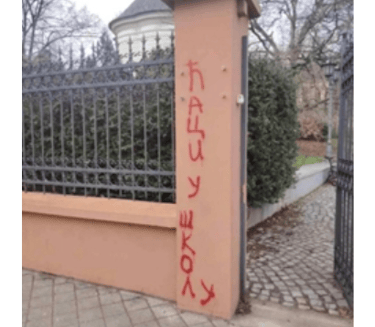
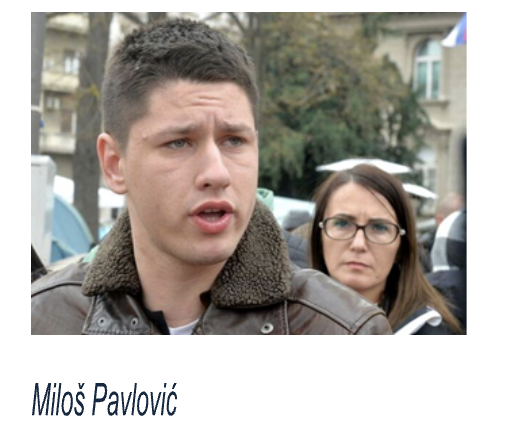
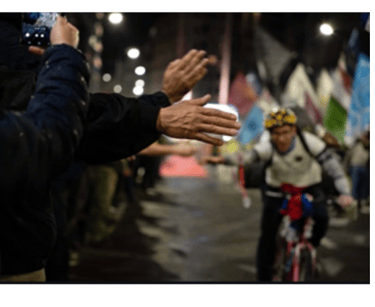
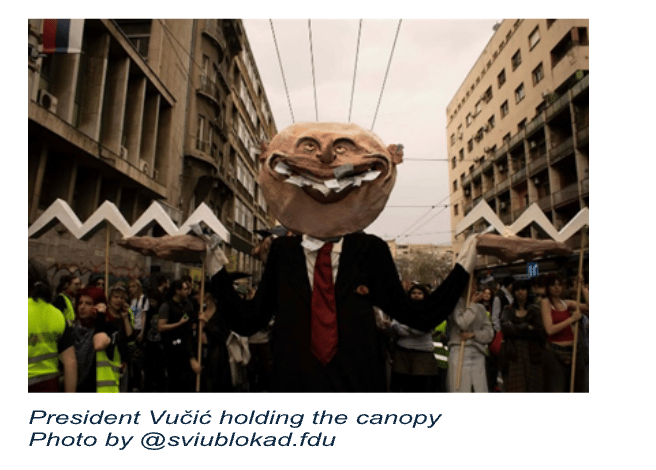
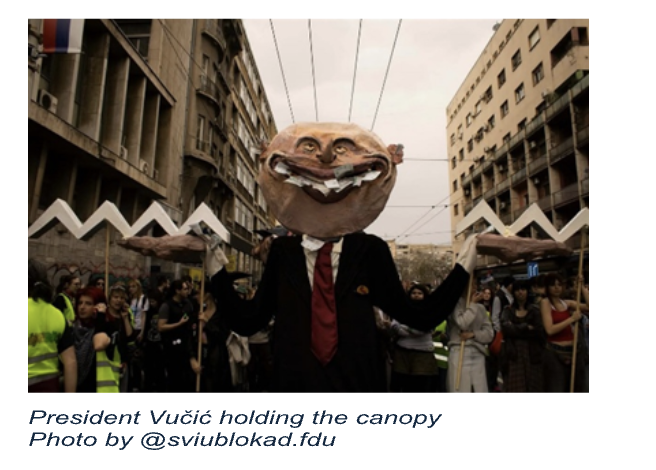
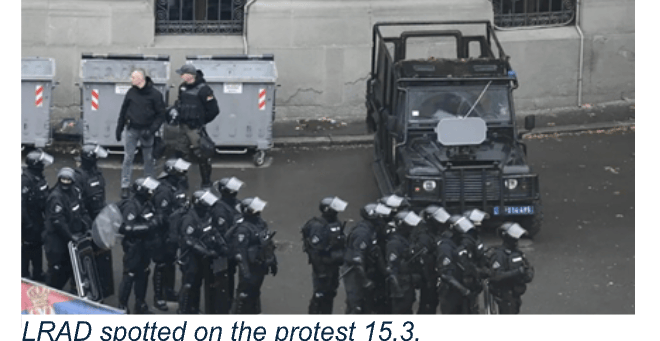
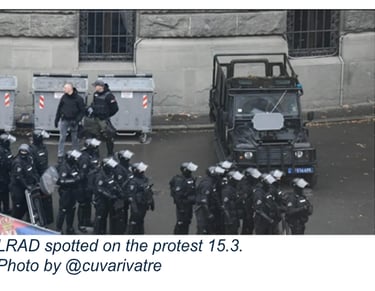
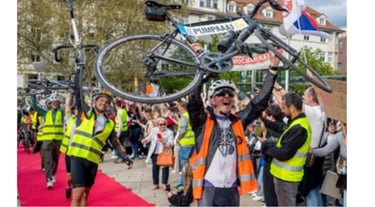
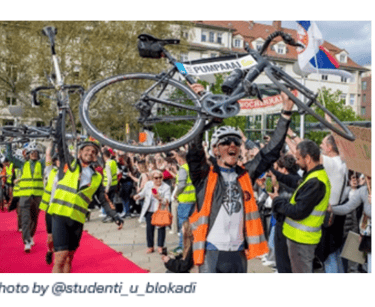
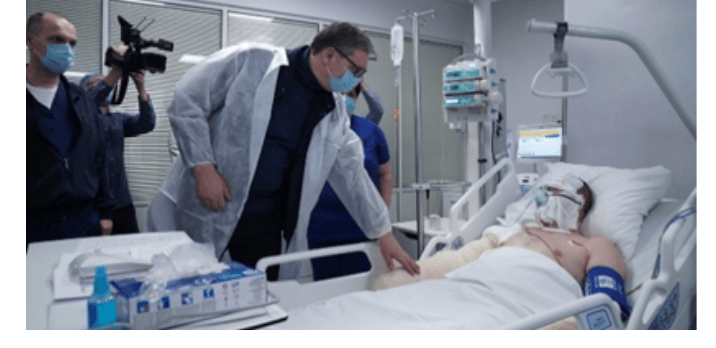
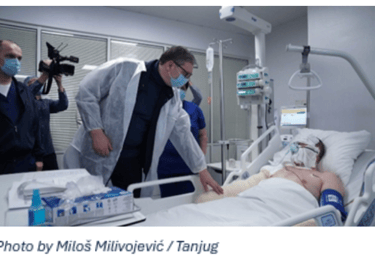
Photo by F.S./ATA images
Photo by N1
Photo by @cuvarivatre
Photo by nedeljnik
Milos PavloviĆ
Photo by @cuvarivatre
President VuČiĆ holding the canopy, Photo by @sviublokad.fdu
LRAD spotted on the protest 15/3, Photo by @cuvarivatre
photo by @studenti_u_blokadi
Photo by alo.rs
Photo by F.S./ATA images